Travel Isn’t Just for the Rich — It’s for Students Who Plan Smart
We’ve all seen the travel influencers on Instagram sipping lattes in Bali or backpacking through Europe with perfect lighting and zero financial stress. But here’s the reality: travel doesn’t have to be expensive — especially if you’re a student or young adult willing to get a little creative.
Whether you’re taking a gap year, looking for a meaningful way to spend your summer break, or just itching to explore beyond your college town, there are real ways to see the world without draining your bank account.
This isn’t about finding the cheapest flight and hoping for the best. It’s about making intentional choices that allow you to have rich, life-changing experiences while keeping costs in check. Let’s break down how you can take advantage of budget travel for students — and why it’s more possible than ever.
Step 1: Change Your Definition of Travel
You don’t need to fly halfway around the world and stay in luxury hotels to have a worthwhile travel experience. Some of the most impactful trips happen close to home — or in places you’d never considered.
Budget travel is about choosing experience over excess. Think slower, more immersive travel, where you’re working, volunteering, or participating in a student travel program that makes it all more affordable.
Instead of asking “Where can I afford to go?” try asking, “What kind of experience do I want, and how can I make it work financially?”
Step 2: Look for Programs That Pay You to Travel
One of the best ways to travel on a student budget is to find a program that actually helps you earn money while you explore. Work and travel programs, seasonal jobs, and internship placements let you offset costs — and sometimes even save money — while living somewhere new.
Examples of affordable travel for young adults include:
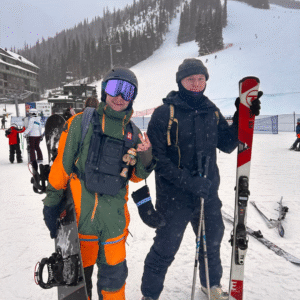
- Working at a ski resort or summer lodge with housing
- Teaching English abroad with a stipend
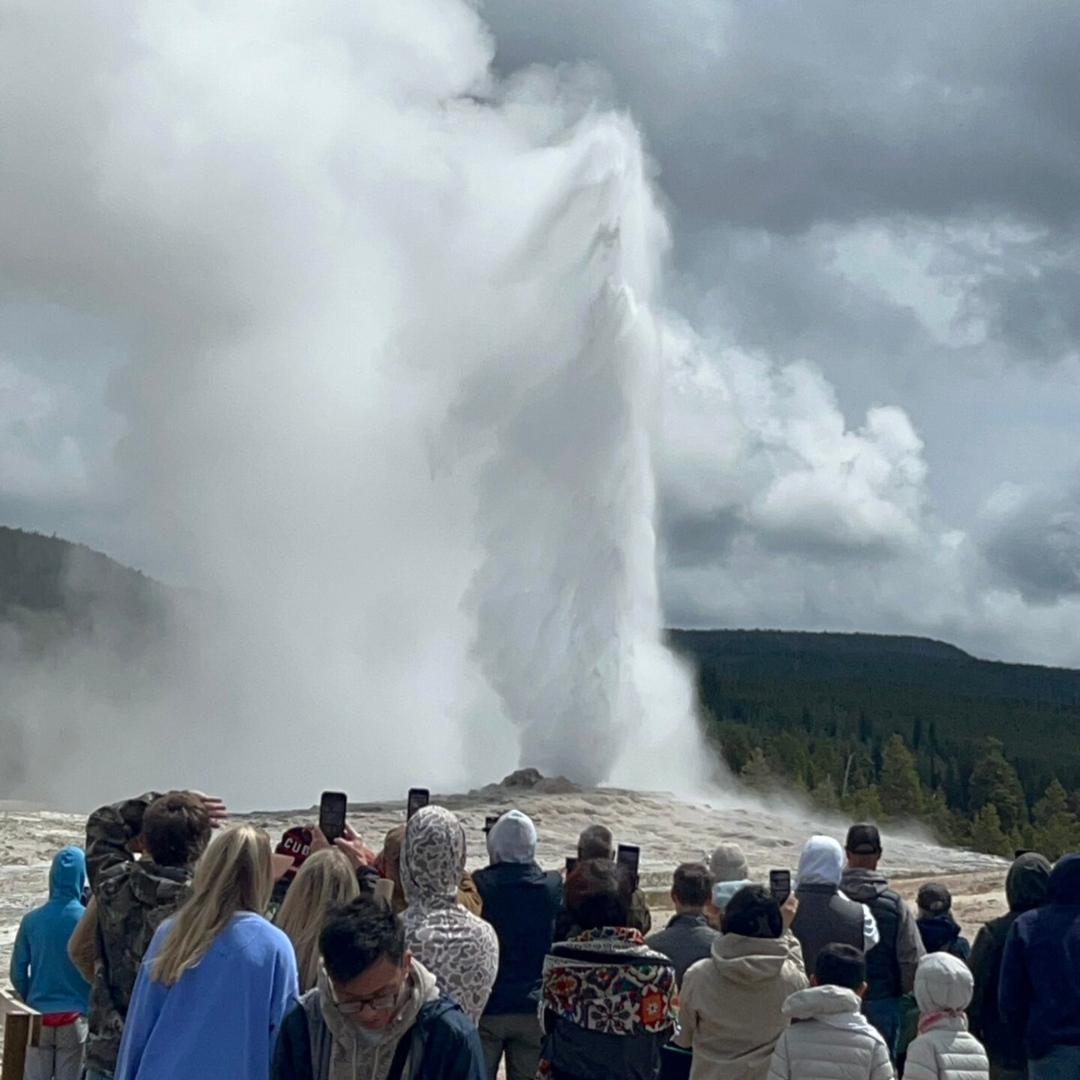
- Seasonal hospitality or tourism jobs in national parks
- Joining a destination work program like AdventureEXP that connects students with jobs in scenic locations and provides housing
These options help cover your biggest expenses (like rent and food), allowing you to keep more of your earnings and extend your travel.
Step 3: Travel Slower, Stay Longer
Short trips with packed itineraries are expensive. Flights, hotels, and eating out every meal add up quickly. But if you slow down — staying in one place for a month or more — everything becomes cheaper.
Why slower travel is better for your budget:
- You can rent housing by the month or live in subsidized accommodation
- You get to cook your own meals
- You spend more time experiencing the local culture and less money chasing tourist traps
- You have time to find free or cheap experiences
Traveling slowly is also more environmentally friendly and better for your mental health. Plus, you can build real relationships in the places you visit.
Step 4: Take Advantage of Student Discounts and Resources
Don’t underestimate the perks of being a student. Many transportation companies, hostels, museums, and travel platforms offer student discounts if you can show an ID.
Money-saving student travel hacks:
- Get an International Student Identity Card (ISIC)
- Use student flight aggregators like StudentUniverse or STA Travel
- Look into Eurail Youth Passes or regional bus passes
- Take advantage of free museum days, public transportation, and local student events
Also, many colleges and universities offer study abroad or internship programs with funding attached — or can help connect you with external travel grants.
Step 5: Consider a Budget-Friendly Gap Year or Semester Off
A gap year doesn’t have to mean jet-setting around the globe on your parents’ dime. With the right plan, you can take time off from school, work a job in a new place, and come back with money in your pocket.
Programs like AdventureEXP are designed to make that possible. They offer paid jobs in destination locations, arranged housing, and a built-in support network — all tailored to students and recent grads who want meaningful, affordable travel.
This type of experience isn’t just cheaper than traditional study abroad. It’s more empowering. You’re earning, learning, and building real-life skills while seeing the world.
Step 6: Know When to Spend and When to Save
Budget travel doesn’t mean you have to skip everything fun. It means being intentional about where you spend your money.
Spend on:
- Unique experiences you can’t get anywhere else
- Local food that tells a story
- Museum passes, outdoor adventures, or cultural workshops
Save on:
- Flights (by being flexible with dates and destinations)
- Accommodations (hostels, dorms, or jobs with housing included)
- Souvenirs (keep memories, not trinkets)
The goal is to invest in the moments that matter, not rack up bills on things you won’t remember.
Final Thoughts: You Don’t Need to Wait or Be Wealthy
If you’re dreaming of travel but worried about the cost, know this: it’s not only possible — it’s practical. With the right tools, programs, and mindset, you can design your own affordable adventure that fits your life, your goals, and your budget.
Budget travel for students isn’t about cutting corners. It’s about making choices that stretch your dollars and expand your world. And with support from programs like AdventureEXP, you don’t have to do it alone.
This is your time. Go explore and keep your wallet happy while you do it.