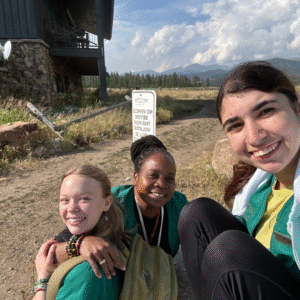

College is expensive, burnout is real, and the world isn’t waiting around. That’s why more students than ever are skipping the traditional path to take a gap year—and not just any gap year, but one that helps them earn money, gain real skills, and rediscover what they actually want from life.
The good news? You don’t need a trust fund or a student loan to make it happen. With paid work programs, seasonal jobs, and affordable travel options, it’s entirely possible to travel for free as a student—or even come out ahead.
Why Students Are Reconsidering the College-First Path
The statistics tell the story. According to gap year statistics from 2023 and 2024, students who take intentional time off before or during college report higher satisfaction, better mental health, and stronger resumes.
Whether it’s a gap year after high school, a break from college, or even a gap year after university, more young adults are choosing to pause the academic treadmill and trade it for purpose-driven adventure. They’re learning that success doesn’t come from another semester of stress—it comes from experience.
The Rise of Paid Work Gap Year Programs
You’ve probably seen the phrase “gap year programs with paid work” popping up all over social media. These programs, like AdventureEXP, help students live in exciting destinations—ski towns, coastal resorts, or national parks—while working in hospitality, tourism, and other industries that value energy and enthusiasm over degrees.
These aren’t unpaid internships. These are real jobs that pay wages, often with employee housing, and allow you to build independence while funding your travel. Think gap year ski resort jobs in Colorado, winter chalet work in Utah, or summer jobs in beach towns along the East Coast.
It’s gap year work with purpose—earning while learning.
From Ski Seasons to Summer Jobs: What Kind of Work Is Out There?
Gap year students are finding creative ways to combine adventure and employment. Here are a few examples:
- Winter gap year jobs: Ski instructors, lift operators, chalet hosts, resort staff.
- Summer gap year jobs: Hospitality, lifeguarding, outdoor education, event work.
- Part-time jobs during your gap year: Perfect for students who want flexibility and time to explore.
- Work placements and program jobs: Structured roles where students receive mentorship and skill-building support.
It’s not just for 18-year-olds either. There’s a growing number of gap year programs for grown-ups, designed for people taking career breaks or seeking meaningful midlife resets.
How to Afford It (or Even Travel for Free)
Let’s be honest—money is one of the biggest reasons students hesitate to travel. But the modern gap year has changed the math completely. Between affordable study abroad programs, student travel support, and gap year programs that pay, you can often cover your costs through your job or program-provided housing.
Some students even find free gap year programs through grants, stipends, or work exchanges. And if you’re already dealing with student loans, a mental health break from college doesn’t have to derail your finances—many students defer their loans while working during their gap year, allowing them to reset without adding debt.
Need help planning the financial side? Student travel help resources and organizations like AdventureEXP can guide you through options for student travel money, student travel insurance, and even managing student travel loans responsibly.
What About the Risks or Disadvantages?
It’s true—taking a gap year comes with challenges. There are gap year disadvantages to consider, like adjusting to a new routine or explaining the break to future employers. But here’s the thing: recruiters and admissions officers increasingly value real-world experience.
You’ll return with confidence, communication skills, and independence—qualities that make you stand out in both college and career settings. The gap year pros far outweigh the short-term uncertainties.
Finding Purpose (and Support) Along the Way
Not everyone knows what they want to do on day one—and that’s okay. For many students, a gap year at 17 or 19 is less about direction and more about discovery.
Programs like AdventureEXP provide a structured but flexible path: you travel with a cohort of like-minded students, get placed in safe and supported jobs, and have ongoing guidance while you learn how to navigate life independently.
For students struggling with gap year depression or uncertainty, that structure makes all the difference—it transforms your experience from wandering to growing.
For Every Student, There’s a Way to Explore
From Christian gap year programs that combine faith and service, to adventurous jobs for young adults who crave challenge and change, the options are endless.
Whether you’re exploring for a few months in a gap year exploration month, working abroad for a year, or just testing independence between semesters, this is the perfect time to get out there.
Because college isn’t going anywhere—but the world might be. And the best lessons you’ll ever learn won’t be found in a classroom.