
For many parents, hearing their student say they want to take a gap year or travel and work triggers immediate concern. Questions surface quickly. Will they fall behind? Will they struggle to return to school? Is this just a break disguised as “growth”?
These concerns are reasonable. Parents want progress, not pause. What often gets overlooked, however, is that momentum does not only come from classrooms. In many cases, momentum is built through responsibility, exposure, and lived experience.
The difference between a productive gap year and a lost year is not travel versus school. It is structure, accountability, and intention.
Why Traditional Paths No Longer Fit Every Student
Students today are navigating a very different world than previous generations. Career paths are less linear. The cost of education is higher. Employers increasingly value adaptability, communication, and real-world experience alongside academic credentials.
At the same time, many students enter college without a clear sense of purpose. They choose majors based on pressure or guesswork, often changing direction multiple times. This uncertainty can lead to disengagement, burnout, or costly extra semesters.
For some students, stepping out of the traditional academic track for a structured experiential program provides the clarity they need to move forward with confidence.
What Parents Are Right to Worry About
Not all gap years are created equal. Parents are right to be cautious about unstructured travel with no plan, no responsibility, and no reflection. Experiences without accountability rarely lead to lasting growth.
Warning signs of a low-value gap year include:
• no defined goals
• no work or skill-building component
• lack of mentorship or support
• no plan for what comes next
A meaningful travel-and-work experience should look less like an extended vacation and more like an alternative learning environment.
What Actually Builds Momentum Outside the Classroom
Momentum comes from responsibility. When students work real jobs, manage housing, budget their income, and live within a community, they develop skills that directly translate to adulthood.
Structured experiential programs help students:
• build professional habits
• gain confidence in unfamiliar environments
• develop communication and problem-solving skills
• learn accountability through work
• understand their own strengths and limits
These experiences often accelerate maturity in ways traditional classrooms cannot.
How Parents Can Evaluate Gap Year and Travel Programs
Supporting experiential learning does not mean stepping back entirely. Parents play an important role in helping students choose programs that align with growth rather than escape.
Key questions parents should ask:
• Does the program include real work experience?
• Is there built-in support or mentorship?
• Are students living in community with peers?
• Is the experience time-bound and goal-oriented?
• What outcomes do past participants report?
Programs that answer these questions clearly tend to produce stronger outcomes.
How Structure Creates Confidence for Parents and Students
Structure does not mean control. It means guardrails. The right amount of guidance allows students to stretch without becoming overwhelmed.
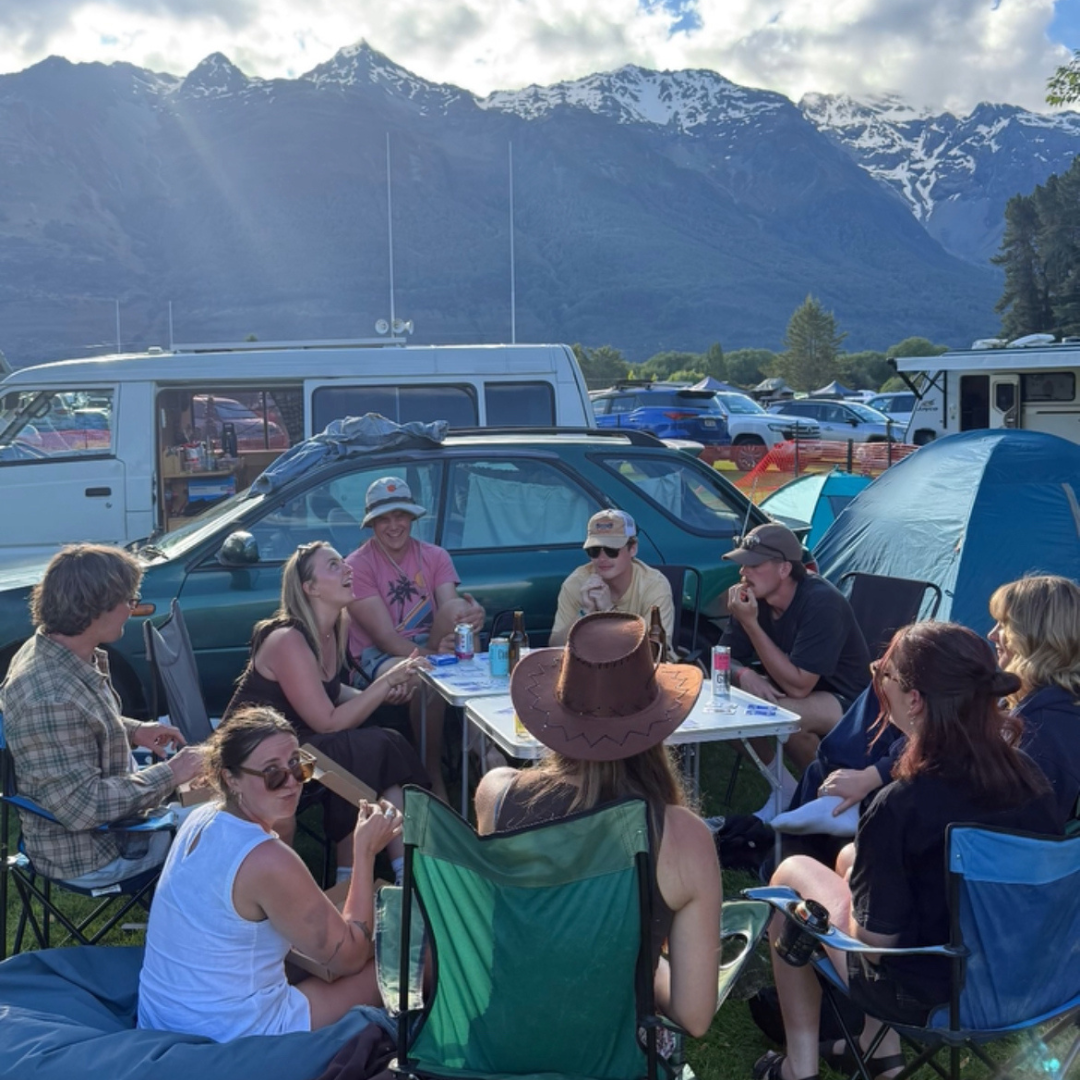
AdventureEXP is designed around this balance. Students live and work in seasonal communities where responsibility is unavoidable, but support is always accessible. They earn money, manage daily life, and learn to navigate independence without being left on their own.
For parents, this structure provides reassurance. For students, it provides space to grow.
What Students Gain That Carries Forward
Students who complete structured travel-and-work experiences often return with:
• renewed motivation for education
• clearer career interests
• improved communication skills
• greater self-awareness
• confidence navigating adult responsibilities
These gains compound over time. Students re-enter academic or professional environments with stronger internal direction.
Supporting Growth Without Letting Go of Direction
Supporting a gap year or experiential program is not about lowering expectations. It is about redefining what progress looks like.
Parents who embrace intentional experiential learning give students permission to grow before committing to expensive, long-term decisions. The result is often greater focus, stronger outcomes, and fewer detours later.
Momentum is not lost when learning continues in a different form. It is often strengthened.