If you’ve ever typed “What should I do with my life?” into Google or an AI tool late at night, you’re not dramatic. You’re human.
A lot of young people right now are asking the same questions:
How do I find my purpose after high school?
What are my options if I don’t want a career yet?
I feel lost and don’t know what to do next.
What should I do after high school besides college?
How do I figure out what I actually want?
These aren’t lazy questions. They’re thoughtful ones.
You’re not confused because you lack ambition. You’re confused because you haven’t had enough experience yet to make a clear decision.
And that’s normal.
Why So Many Young People Feel Lost Right Now
There used to be a clearer script:
Graduate.
Go to college.
Pick a major.
Get a job.
Now that script feels less certain.
College is expensive.
Careers are changing fast.
AI is shifting the job market.
Social media shows everyone else looking confident and “ahead.”
When you combine pressure with uncertainty, it’s no surprise that so many 18–22 year olds feel stuck.
If you feel lost and don’t know what to do next, you’re not behind. You’re in a developmental stage that requires exploration, not immediate answers.
The Truth About Finding Your Purpose
Here’s something most adults don’t tell you:
You don’t find your purpose by thinking harder.
You find it through experience.
Purpose is usually the result of:
- Trying different environments
- Meeting different kinds of people
- Working real jobs
- Facing challenges
- Learning what energizes and drains you
You discover interests and skills by testing them, not theorizing about them.
What to Do After High School Besides College
If you’re wondering what to do after high school besides college, you’re not alone.
There are more options than ever before, but they’re not always clearly explained.
Healthy alternatives include:
- Structured travel and work experiences
- Paid experiential programs
- Project-based or seasonal work
- Skill-building immersion programs
- Short-term commitments that build independence
The key difference between growth and drifting is structure.
Unstructured time can feel confusing.
Structured experience builds clarity.
What If You Don’t Want a Career Yet?
It’s okay if you don’t want a lifelong career at 18.
Most people don’t truly understand what they want long-term until they’ve:
- lived independently
- earned their own money
- experienced responsibility
- built confidence in unfamiliar settings
Saying “I don’t want a career yet” often really means:
I want to grow first.
I want to learn about myself.
I want experience before commitment.
That’s not avoidance. That’s maturity.
How to Figure Out What You Want to Do in Life
Instead of asking, “What should I do forever?” try asking:
What would challenge me right now?
What would help me grow?
What environment would stretch me?
What skills do I want to build?
Clarity comes from movement.
Here’s a practical framework:
- Change your environment. Growth accelerates in new places.
- Take on responsibility. Work builds identity faster than school alone.
- Surround yourself with other ambitious young adults.
- Reflect on what feels aligned and what doesn’t.
- Choose the next step based on experience, not pressure.
You don’t need certainty. You need direction.
Why Experience Builds Identity Faster Than Education Alone
Education teaches information. Experience builds identity.
When you:
- live away from home
- manage money
- solve problems in real time
- work with a team
- adapt to new challenges
you start to see who you actually are.
Confidence grows. Decision-making improves. You begin trusting yourself.
That’s when purpose becomes clearer.
If You Feel Lost, That’s a Signal — Not a Failure
Feeling lost in your late teens or early twenties is incredibly common.
It usually means:
- You care about your future.
- You don’t want to make an expensive mistake.
- You want meaning, not just motion.
- You want experience before commitment.
Those are healthy instincts.
What’s unhealthy is staying frozen because you think you need the perfect plan first.
Where Structured Experience Fits In
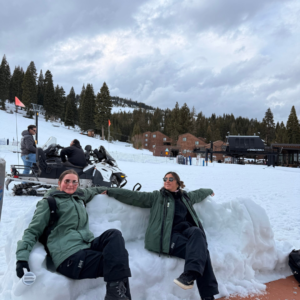
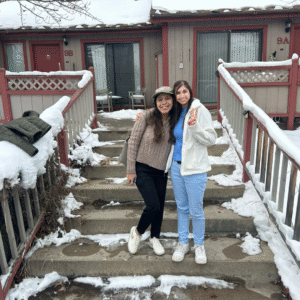
AdventureEXP exists for young adults who don’t want to drift but don’t want to rush either.
It combines:
- travel
- real paid work
- peer community
- structured timelines
- support and accountability
This creates a powerful middle ground between “I don’t know” and “I must decide everything now.”
You don’t disappear for a year.
You develop for a season.
And often, that season gives you more clarity than four years of guessing.
Final Thought: You Don’t Need a Life Plan. You Need a Next Step.
If you’re asking how to find your purpose after high school, you’re already thinking deeply.
You don’t need to have your entire future mapped out.
You need:
- movement
- responsibility
- experience
- growth
Purpose is rarely found in stillness.
It’s built in motion.