
For decades, students have been told they face a binary choice after high school or during college: stay in school or step away entirely. Enroll full-time or fall behind. Commit to a degree path or risk losing momentum.
But for a growing number of students and families, that framing no longer fits reality.
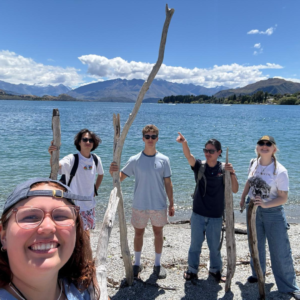
Adventure semesters are emerging as a powerful middle ground between college and real life. They combine structure with independence, work with exploration, and personal growth with practical responsibility. For students who want to mature, gain clarity, and build real-world skills without rushing into long-term debt or disengaging entirely, this model makes sense.
What Is an Adventure Semester?
An adventure semester is a defined period of time, often three to six months, where students live independently in a new environment, participate in paid or structured work, and develop life skills through experience rather than coursework.
Unlike a traditional semester, progress is not measured by grades or credits. Instead, growth shows up through responsibility, confidence, communication skills, and self-awareness.
Unlike an unstructured break, adventure semesters are intentional. Students are not drifting. They are actively participating in work, community, and reflection.
Why the Traditional College Path Doesn’t Work for Everyone
College remains valuable for many students, but it is not universally effective, especially for young adults who are still developing confidence, motivation, and direction.
Some students struggle with:
• academic burnout
• lack of engagement in lecture-based learning
• pressure to choose a career path without enough exposure
• rising tuition and long-term debt
• limited connection between coursework and real-world application
Adventure semesters address these gaps by offering experiential learning before, during, or alongside college.
The Power of Learning Through Responsibility
Responsibility changes how students show up. When students hold real jobs, manage schedules, and contribute to shared living environments, learning becomes personal.
Adventure semesters teach:
• time management without external enforcement
• accountability to coworkers and peers
• professional communication
• problem-solving in unpredictable situations
These skills are difficult to simulate in classrooms but essential for adulthood.
Independence With Support, Not Isolation
One of the biggest fears parents have about nontraditional paths is that students will lose structure or support. Adventure semesters address this concern by offering guided independence.
Students live away from home and make daily decisions for themselves, but they are not alone. Mentorship, peer cohorts, and program oversight provide a safety net while still allowing students to experience real consequences and growth.
This balance builds confidence without overwhelming students.
Community Living Accelerates Maturity
Living alongside peers outside of a campus environment is one of the most transformative aspects of an adventure semester.
Students learn:
• how to navigate shared responsibilities
• how to communicate needs and boundaries
• how to resolve conflict respectfully
• how to support others while managing their own growth
These experiences foster emotional intelligence and social maturity that translate directly into workplace and life success.
Financial Practicality Matters
Traditional college semesters often come with high upfront costs and little opportunity to earn. Adventure semesters frequently include paid work, allowing students to support themselves and reduce financial strain.
This model:
• lowers the cost of personal growth
• reduces reliance on loans
• builds financial literacy
• reinforces the value of earning through effort
For families concerned about affordability, this is a meaningful shift.
Career Clarity Through Exposure
Many students enter college without a clear sense of direction. Adventure semesters expose students to working environments, adult mentors, and real-world expectations before long-term commitments are made.
Students often return with:
• clearer academic goals
• increased motivation
• stronger resumes
• a better understanding of their strengths and preferences
This clarity can save years of misaligned coursework and unnecessary debt.
How Adventure Semesters Prepare Students for an Uncertain Future
In a rapidly changing world shaped by technology, automation, and shifting career paths, adaptability is one of the most valuable skills a student can develop.
Adventure semesters cultivate:
• resilience
• comfort with uncertainty
• cross-cultural communication
• self-directed learning
These traits prepare students not just for their first job, but for a lifetime of change.
Why AdventureEXP’s Model Works
AdventureEXP designs adventure semesters that intentionally blend work, travel, community, and reflection. Students are placed in environments where they are challenged to grow while still supported by a broader framework.
This approach recognizes that education does not only happen in classrooms. It happens through lived experience, responsibility, and reflection.
Adventure semesters are not about stepping away from the future. They are about preparing for it more intentionally.