
For years, unpaid internships have been seen as a necessary step for college students trying to build experience.
The idea is simple. Work for free now so you can get a job later.
But more and more students are starting to question that model.
Is working for free really the best way to gain experience?
Are unpaid internships actually preparing students for real life?
Is there a better way to build skills while also earning money?
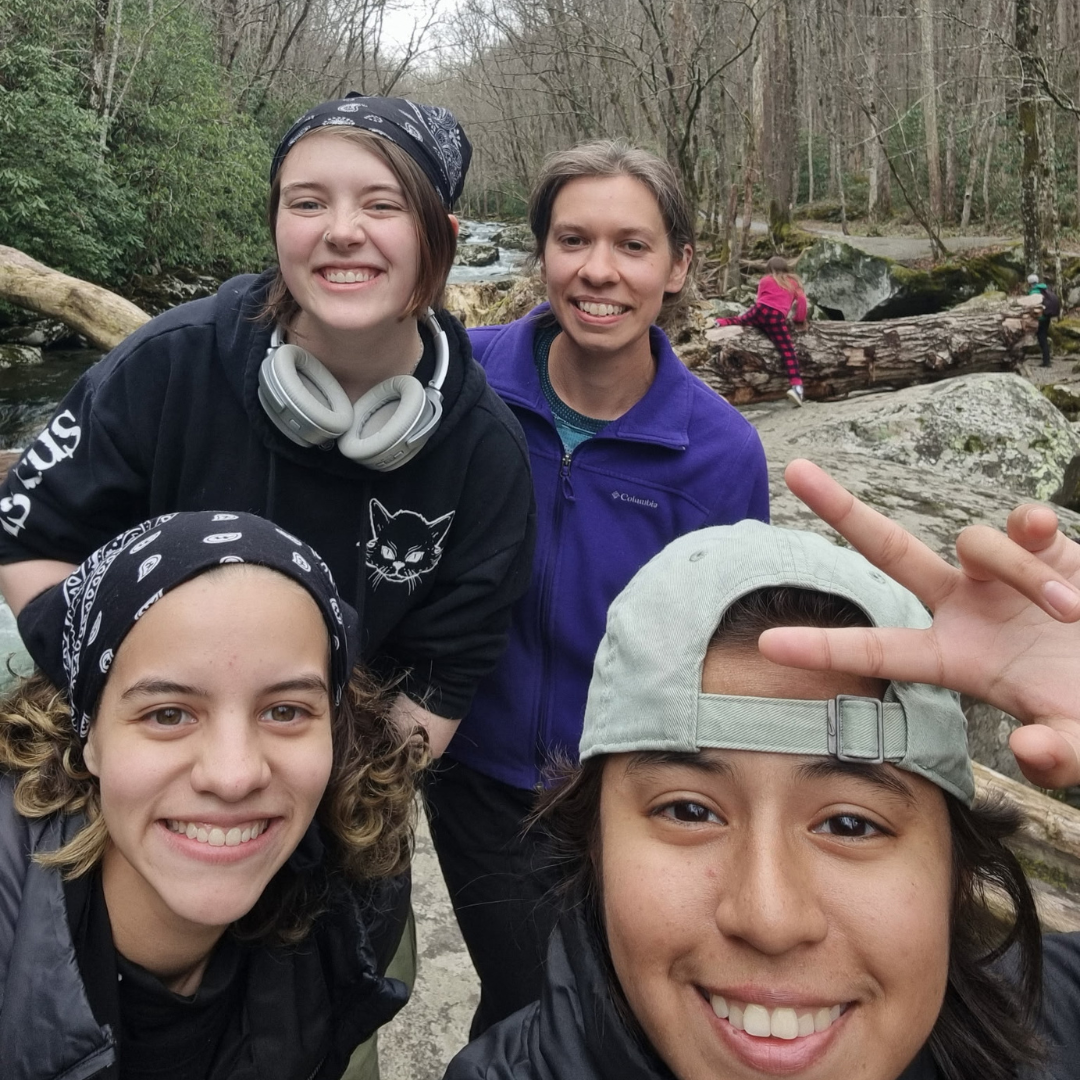
At the same time, travel and work programs have become more popular, offering a different path. One where students gain experience, earn income, and build independence at the same time.
If you’re deciding between these options, it’s worth understanding how they actually compare.
What is an unpaid internship?
An unpaid internship is typically a short-term work experience where students contribute to a company or organization without receiving wages.
Students often take unpaid internships to:
- gain resume experience
- build professional connections
- explore potential career paths
- meet graduation requirements
While some internships offer meaningful learning, others can involve repetitive tasks with limited responsibility.
What is a travel and work program?
Travel and work programs combine real employment with living in a new environment.
Instead of working in one place without pay, participants:
- move to a new destination
- work real jobs
- earn income
- live independently
- build life and professional skills
These programs often include community, structure, and support, making them accessible for young adults who want to grow without navigating everything alone.
The biggest difference: paid experience vs unpaid experience
One of the most obvious differences is financial.
Unpaid internships require students to support themselves while working. This often means:
- relying on parents
- taking on additional debt
- limiting access to students who can afford it
Travel and work programs, on the other hand, allow students to earn money while gaining experience.
This makes them:
- more accessible
- more sustainable
- more aligned with real-world expectations
Learning how to work and support yourself at the same time is a valuable life skill.
Real responsibility vs observational experience
Many unpaid internships place students in supporting roles.
Students may:
- assist full-time employees
- complete administrative tasks
- observe rather than lead
- have limited accountability
While this can provide exposure, it doesn’t always build confidence or independence.
Travel and work programs typically involve real responsibility.
Participants are expected to:
- show up on time
- perform job duties
- contribute to a team
- communicate with coworkers and managers
This kind of responsibility builds confidence much faster.
Independence and life skills
Unpaid internships are often local or tied to a college environment.
Students may still:
- live at home or in dorms
- rely on existing support systems
- stay within familiar routines
Travel and work experiences push students into new environments.
They learn how to:
- live independently
- manage money
- navigate unfamiliar situations
- build new social networks
These life skills are essential for adulthood but are rarely developed in classroom settings alone.
Community vs isolation
Unpaid internships can sometimes feel isolating, especially if students are working independently without a peer group.
Travel and work programs often include built-in community.
Participants live and work alongside other young adults who are going through similar experiences.
This creates:
- friendships
- shared learning
- emotional support
- a sense of belonging
Community makes growth more enjoyable and less intimidating.
Resume value and long-term impact
Both unpaid internships and travel and work programs can add value to a resume.
The difference lies in how the experience translates.
Unpaid internships may show:
- industry exposure
- familiarity with a specific field
- early professional experience
Travel and work programs demonstrate:
- independence
- adaptability
- real-world responsibility
- communication skills
- problem-solving ability
These are the types of skills that employers consistently say they are looking for.
Which one actually prepares you for the real world?
Preparation for the real world goes beyond understanding how an office operates.
It includes:
- managing your time
- working with different types of people
- handling responsibility
- adapting to change
- solving problems without clear instructions
Travel and work experiences often provide more opportunities to develop these skills because they combine work, life, and personal growth in one environment.
When an unpaid internship might make sense
Unpaid internships can still be valuable in certain situations, especially when:
- they are required for a specific degree
- they provide direct access to a highly specialized field
- they offer strong mentorship and hands-on learning
The key is making sure the experience is truly educational and not just free labor.
Why more students are choosing experience-driven paths
As the cost of education rises and career paths become less predictable, students are looking for options that provide both growth and financial sustainability.
Travel and work programs offer:
- real-world experience
- income
- independence
- personal development
- community
For many students, this combination feels more aligned with how they want to spend their time.
Where AdventureEXP fits in
AdventureEXP provides structured travel and work experiences designed to help students gain meaningful experience while earning money.
Participants:
- work real jobs
- live in new environments
- build independence
- develop life and professional skills
- connect with a community of peers
It’s a model that focuses on growth, not just observation.
Final thought
The question isn’t just which option looks better on a resume.
The real question is which experience will help you grow the most.
Unpaid internships can offer exposure.
Travel and work experiences often offer transformation.
Choosing the right path depends on what you need right now.
If you’re looking to build confidence, independence, and real-world skills while also earning money, it may be worth exploring a path that gives you more than just a line on your resume.