The part of national parks nobody puts on Instagram
Every summer, millions of people visit places like Yellowstone, Glacier, the Grand Canyon, and Joshua Tree. Most of them spend a few days, take photos, and drive home. A smaller group — the seasonal workers — stay. They’re the ones running the lodges, staffing the restaurants, checking guests in at 6am, and going for hikes on their days off with people who actually know the trails.
Working a season near a national park or major outdoor destination is one of those experiences that’s genuinely different from anything else. You’re not a tourist. You’re not an employee at a regular job either. You’re somewhere in between — part of a place in a way that most people who visit never get to be.
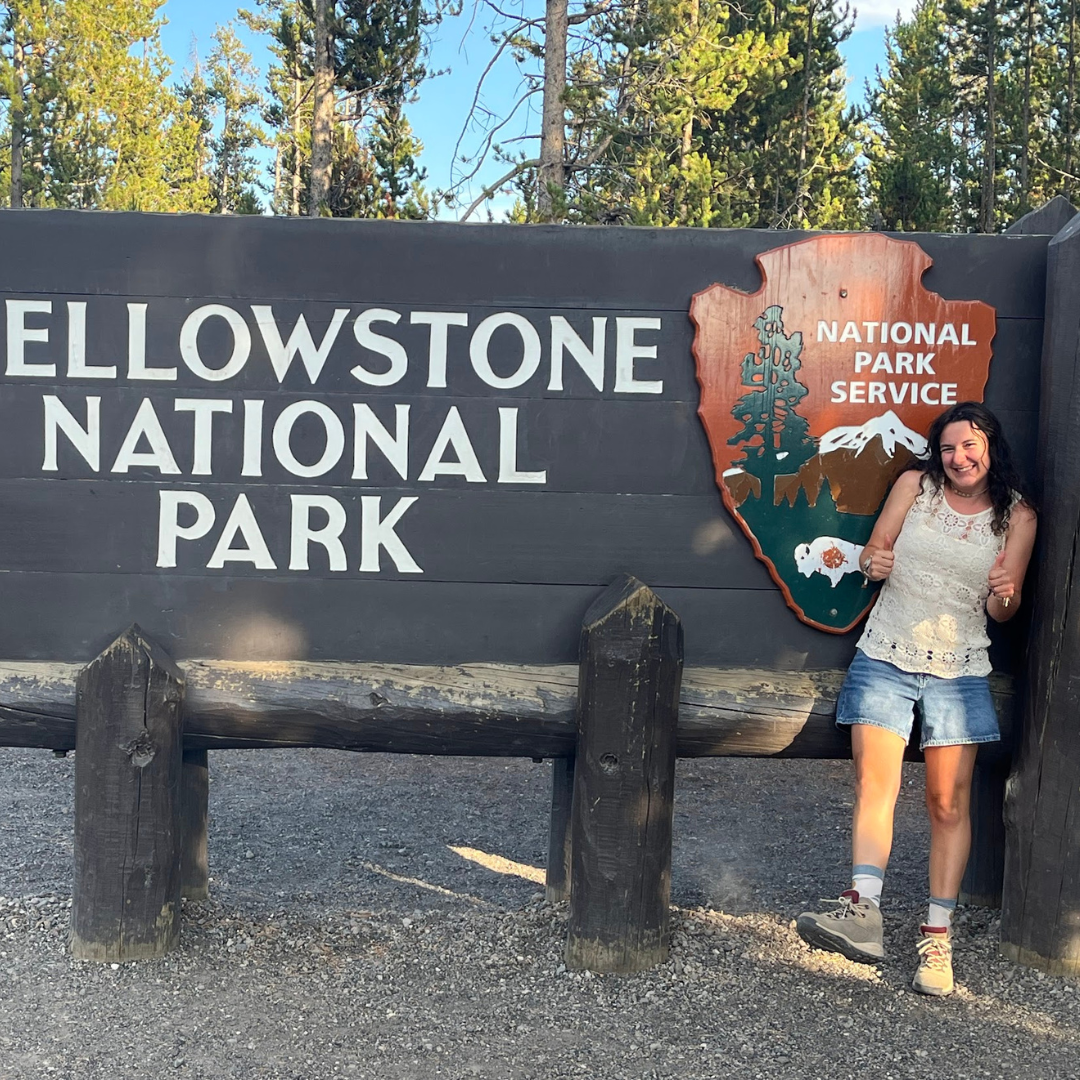
One AdventureEXP applicant summed it up after spending a summer in Yellowstone: ‘I love everything to do with the outdoors. I spent the summer of 2025 in Yellowstone National Park, and that was the greatest summer of my life.’ That kind of experience is available, and it starts with a seasonal work placement.
The destinations: what’s actually available
AdventureEXP placements span several of the most sought-after outdoor destinations in the US and beyond:
- Whitefish, Montana: gateway to Glacier National Park, skiing in winter, hiking and rafting in summer, small-town community feel with serious outdoor access
- Sedona, Arizona: red rock country, hiking, mountain biking, and one of the most visually dramatic landscapes in the US
- National park-adjacent venues: placements near major park ecosystems where the landscape is part of daily life, not just a weekend trip
- New Zealand: international placements for those who want to take the outdoor-lifestyle model to the southern hemisphere
Each location has its own character. What they share is proximity to the outdoors and the kind of setting where you want to be when you’re not on the clock.
What the work looks like
Seasonal hospitality work near national parks covers a range of roles, and AdventureEXP works across them:
- Food and beverage: serving, bartending, barista work, food running, line cooking basics — roles where you interact with guests in a fast-paced environment
- Front desk and guest services: checking people in and out, answering questions, managing requests — often the face of the operation
- Housekeeping and facilities: physical, organized work with more independence and a clear sense of completion at the end of a shift
- Activities and recreation: depending on the placement, some roles connect directly to the outdoor programming guests are there for
Most people discover that the work itself is less central to the experience than they expected — the destination and the people they work with tend to matter more. That said, skills built in these roles (customer service, communication, working under pressure, adaptability) transfer directly into future careers, which is why they show up so consistently in what former participants credit the experience for.
The outdoor access is real — here’s how to make the most of it
Seasonal hospitality work typically means scheduled shifts, which means you have days off. In most destination placements, those days off are spent outside — and in places like Whitefish or near Sedona, ‘outside’ means something different than a city park.
Practical suggestions from people who’ve done it: figure out the trail system in your first week, find who else on your team shares your outdoor interests (it’s most of them), and don’t wait until you ‘have time’ — block your days off in advance before other commitments fill them.
One applicant put the appeal simply: ‘I would like to be able to ski or hike in my free time without having to travel very far from my job site.’ That’s the pitch, and in these placements, it’s accurate.
How to tell us what environment you want
When applying to AdventureEXP, be specific about the kind of landscape you want to be in. Mountain versus desert versus coastal matters — not just aesthetically, but for what you’ll actually do outside of work.
“I want to work in a beautiful environment with lots of wildlife, and forest, mountains, lakes, rivers, streams, or even near the ocean.”
That specificity helps with placement. The more clearly you describe your ideal environment, the more likely the team can match you with a destination that fits. Placements are available for summer, fall, and winter — and the outdoor character of a destination changes significantly by season, which is worth thinking about.