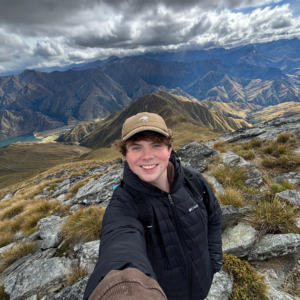

Something happens after the first season
People who do a season of destination work and then go back to regular life often find it difficult to describe what changed. It’s not one thing. It’s more like: you did something genuinely independent in an unfamiliar place, you met people you wouldn’t have met any other way, you saw what your life could look like with more variety in it — and going back to the familiar routine feels different afterward.
Some people go straight into the next chapter — college, a career, whatever they’d been working toward. Others start thinking about another season almost immediately.
One AdventureEXP participant said it plainly: ‘I have actually done 5 destinations through AdventureEXP. I remember having an amazing time and trying new things I’ve never done before. So I just decided to keep doing it again.’ Another described discovering seasonal work for the first time and finding that she ‘fell in love with the freedom and opportunities that it can give.’
Why people come back
The reason it’s not just nostalgia is that each season is genuinely different. A different destination means a different landscape, a different community, different work. The things you learned in your first season — how to navigate a new job quickly, how to form friendships in a short timeframe, how to make the most of time off — make the second one richer.
There’s also a compound effect. The first season teaches you what you actually want from the experience. Maybe you discovered that mountain environments suit you more than coastal ones. Maybe you want a more social role than the one you had. Maybe you want to try a completely different country. The second season is where you apply that knowledge.
How the second season is different from the first
The biggest difference: you’re not navigating everything fresh. You know how the housing situation works, you know what it takes to settle into a new job, you know how to make friends in the context of a work program. You spend less energy on the basics, which means more of your attention goes toward the experience itself.
You also tend to have more work experience to bring. A second season often opens up roles with more responsibility — supervisory positions, specialized food and beverage roles, activities coordination — because you’re coming in with a demonstrated track record from the first.
New destinations to try
If your first season was in a US mountain destination, a second season internationally — particularly in New Zealand — is a meaningful upgrade in scope. New Zealand placements offer many of the same outdoor-lifestyle qualities (mountains, adventure activities, a community of like-minded workers) with the added dimension of genuine cultural difference.
If your first season was international, a US placement in a specific environment you haven’t tried — a desert landscape like Sedona, a national park gateway, a coastal destination — is a way to explore more of the country while the program structure remains familiar.
How to refer a friend — and why it matters
Some of the best AdventureEXP students come through word of mouth. One applicant found the program through ‘a referral from my mom.’ Another said ‘as soon as my friend Josh told me about this program it almost felt like I knew immediately this is where I was meant to go.’
If your first season was a significant experience, the most meaningful thing you can do with that is share it honestly with people who would benefit from it. AdventureEXP participants who bring people into the program tend to form even stronger community ties in their second season — you’re not just arriving somewhere new alone, you’re arriving with context and connection already in place.
“I started working seasonally this summer in Utah and fell in love with the freedom and opportunities that it can give.”