
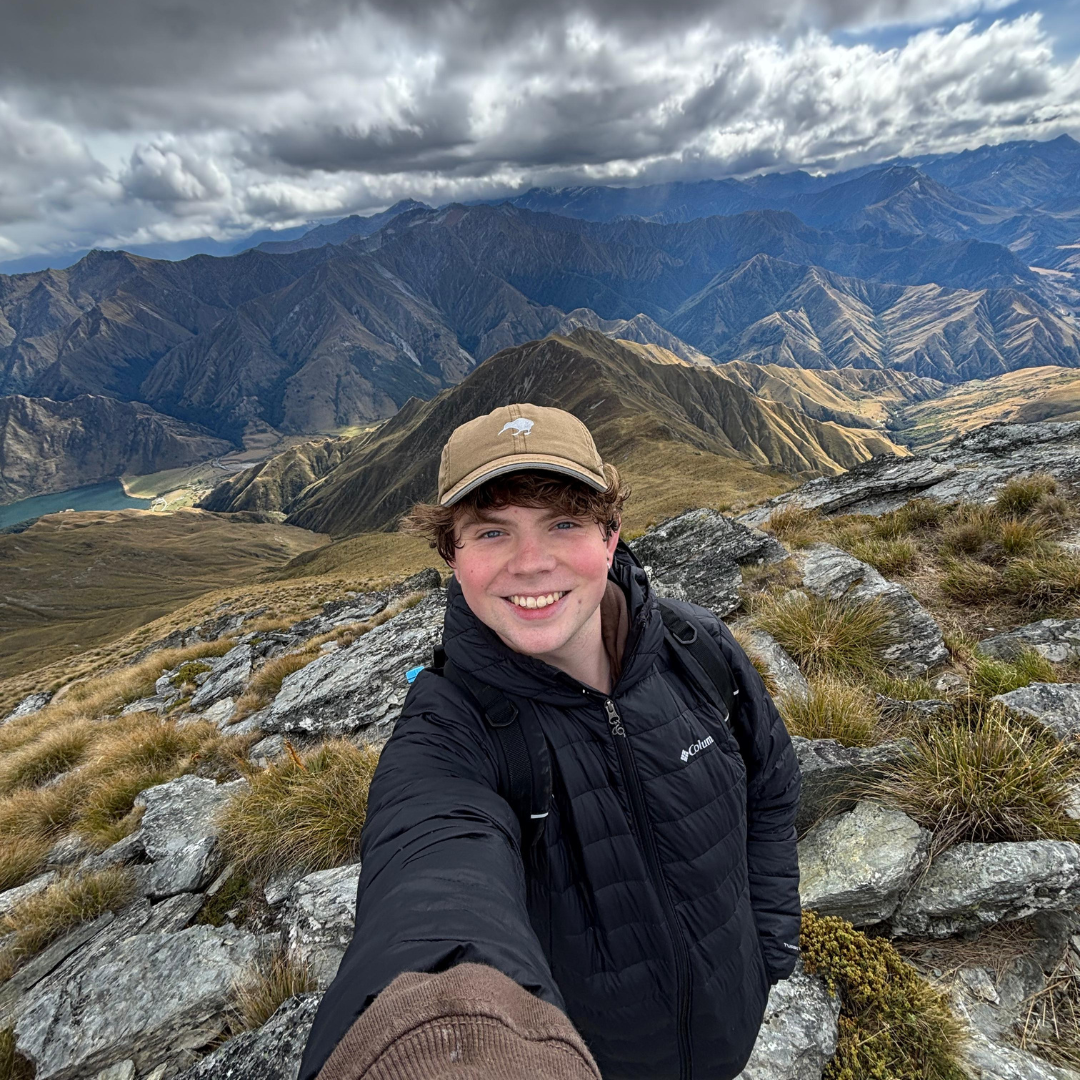
There is a window in your life that is genuinely unlike any other. It sits right between finishing high school and the point where responsibilities start stacking up in ways that are hard to reverse — leases, full-time jobs, loans, commitments that make picking up and going somewhere feel like a logistical negotiation instead of a decision.
That window is roughly 17 to 22. And most people spend it either waiting to figure out what they want or jumping straight into the first structured path that feels safe.
Neither of those is wrong. But there is a third option that a lot of young Americans are starting to find: traveling the country before 22, working while they do it, and coming back with money in their pocket, real experience on their resume, and a much clearer sense of who they actually are.
This post is about how that works, why the timing matters more than most people realize, and what makes the difference between a trip that is just a good story and one that actually changes the direction of your life.
Why Before 22 Is Not Just a Number
Ask anyone in their late 20s or 30s when the best time to go somewhere new would have been, and most of them will tell you: earlier. Not because the experience gets worse as you get older, but because the conditions that make it easy get harder to recreate.
Before 22, most people do not yet have a lease they signed for two years, a salary they are afraid to walk away from, or a set of obligations that require their physical presence in a specific zip code. The flexibility that feels ordinary right now is actually something a lot of older people would trade a significant amount to get back.
Traveling in your early 20s puts you in uncomfortable situations that prove to be transformative for your growth, building a deeper understanding of both the world and yourself — at a point in life when you have the energy and freedom from major commitments to actually undergo that transformation.
That is not motivational poster language. It is just an accurate description of what happens when you are young, adaptable, and thrown into an environment where nothing is familiar. You figure things out fast. You get resourceful. You build a version of confidence that is different from the kind you develop by staying where you already know how everything works.
The window is real. The question is what you do with it.
The “I Can’t Afford to Travel” Problem Has a Straightforward Fix
Here is where most conversations about young adult travel fall apart. Someone gets excited about the idea, starts researching it, and then runs into two things: programs that charge huge upfront fees for the privilege of participation, and a program that is detached from real-world skill development needed to figure out what to do next.
Both of those assumptions deserve a closer look.
The fee-based program model — where you pay for the entire experience — works for some people and some contexts. But it is not the only model, and it is definitely not the one that makes the most sense for someone who needs the experience to be financially viable, not financially draining.
The version that actually works for most 17 to 22 year olds looks different. It starts with a program where you earn money while traveling, rather than spending it. Seasonal and destination-based work is the mechanism — positions in hospitality, guest services, recreation, and tourism in places that are genuinely worth being: ski towns, national parks, coastal destinations, mountain resort communities. Places that most people visit on vacation, where you would actually be living and working for a season.
When housing is included or subsidized and you are drawing a regular paycheck, travel stops being something you need to fund and starts being something that funds you. That distinction is not small. It is the entire difference between travel feeling like a luxury and travel feeling like a legitimate next step.
What You Are Actually Building While You Are There
The travel itself is the obvious part. But the less obvious part — the part that tends to matter more six months after you get back — is what you are developing in the process.
Working in a new environment, with new people, in a place you have never lived before, develops a specific set of skills that are genuinely hard to build any other way. Not hard like difficult coursework. Hard like — you only develop them by actually doing them.
Problem-solving without a support system you are used to. Managing your own money away from home for the first time. Navigating workplaces where you are new and do not yet have social capital. Building relationships from scratch. Figuring out what you are actually good at, and what you would rather not do again, in real conditions rather than hypothetical ones.
Seeing more of the world and learning more about yourself, your interests, and your goals helps ground your ambition and create a clearer path forward — especially at a stage where the pressure to already know what you want can feel overwhelming.
That clarity is worth something. Employers recognize it. College admissions offices recognize it. But more importantly, you recognize it — because you cannot fake having figured something out in the real world. You either did or you did not, and the confidence that comes from actually doing it is different from the kind that comes from thinking about it.
The People You Meet Are Part of the Point
One thing that rarely makes it into the practical breakdown of work and travel programs but probably should: the social dimension of this experience is genuinely significant.
When you land somewhere new and start a job alongside other people who are also new — people your age, in the same situation, figuring out the same things — the connections that form tend to be faster and more durable than most friendships built in more familiar environments. There is something about shared novelty, shared challenge, and shared independence from everything you already know that accelerates how real those relationships become.
Being away from any kind of familiarity makes for especially deep and meaningful social interactions — whether you are looking for travel recommendations or just someone who understands what you are going through, the connections you make while working somewhere new tend to become a lasting part of your network.
This matters practically, not just personally. The people you meet in a program at 19 or 20 are people who are also figuring out their lives, their careers, and their directions. Some of them will end up in industries, cities, and roles that become relevant to you later. The network you build during a formative season like this tends to stick.
What Makes a Program Worth It vs. One That Just Sounds Good
Not every work and travel opportunity is built the same, and it is worth being clear about what to look for.
The programs worth paying attention to share a few things in common. They have real employers with real job placements, not vague “opportunities” that materialize after you arrive. They have some kind of housing arrangement built in so you are not scrambling to find a place to live in a city you have never been to. They have a community structure — other participants around the same age going through the same experience — rather than dropping you solo into an unfamiliar workplace and wishing you luck. And they have enough flexibility in their structure that you actually feel like you are living somewhere, not just completing an obligation.
The programs worth being skeptical of tend to lead with the destination photography and bury the specifics. They charge fees that are hard to justify relative to the wages you will earn. They offer placements that are vague or contingent on things outside your control. And they do not have a clear model for what your daily life actually looks like once you arrive.
AdventureEXP was built around the former. It operates as a destination work and travel program specifically for young Americans — placing participants in vetted, paid positions across U.S. regions, with housing, community, and structure built into the model. The goal is not just to send someone somewhere interesting. It is to make that time pay off — literally and in every other sense.
The Clock Is Not Ticking in a Scary Way — But It Is Ticking
None of this is meant to pressure anyone. The window between 17 and 22 is not a deadline you miss and then ruin everything. People build incredible experiences and careers at every age, in every order.
But there is something honest worth saying: the conditions that make this kind of move easy — low obligations, high energy, genuine flexibility — are more present right now than they will be in five years. Not impossible then, just easier now.
If you have been thinking about doing something different before committing to the next structured chapter of your life, the gap between thinking about it and actually doing it is smaller than it feels. The logistics are solvable. The finances, with the right program, are workable. The only thing that does not get any easier with waiting is the decision to go.