You want to travel. You also need to pay your rent.
Most travel advice assumes you’ve already solved the money problem. It tells you to book the flight, quit your job, and worry about the rest later. That’s great advice if you have savings sitting around. For most people — especially those finishing high school, wrapping up college, or just done with a job they’ve outgrown — it’s not realistic.
The question isn’t whether you want to travel the US or go abroad. Of course you do. The question is: how do you actually make it happen without draining your account and coming home worse off than when you left?
The answer isn’t a side hustle or a travel credit card. It’s a destination work program — and it’s more straightforward than most people realize.
What destination work programs actually are
A destination work program places you in a paid job at a resort, hotel, lodge, activity center, or hospitality venue in a location you actually want to be. You work real shifts. You earn real wages. And critically — housing is included.
That last part matters more than most people initially realize. The reason travel feels impossible isn’t the airfare. It’s that once you get somewhere new, you immediately need somewhere to sleep, a way to eat, and income to sustain it all. Destination work solves all three at once.
AdventureEXP specializes in exactly this: matching people with hospitality, food and beverage, activities, and guest services positions at destinations across the US and abroad. The placement includes the job, the housing, and the community — you show up, and the foundation is already there.
What gets paid for, and what doesn’t
Being upfront matters here, because the internet is full of ‘work abroad for free’ promises that turn out to be unpaid volunteer arrangements or poorly run schemes.
With AdventureEXP, you are a paid employee. You earn an hourly wage for the work you do. Housing is part of the placement — you’re not paying resort hotel rates to live near the resort. The program fee covers placement, support, and housing coordination; it’s the cost of having someone organize this for you so you’re not trying to cold-email lodges in Montana from your bedroom.
What you cover yourself: your travel to the placement, your personal spending, and anything beyond the basics. Many participants end the season with money saved — especially those in tipped roles like serving or bartending.
The destinations: this isn’t just ‘somewhere in the US’
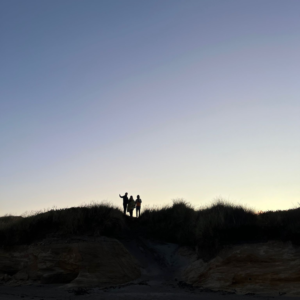
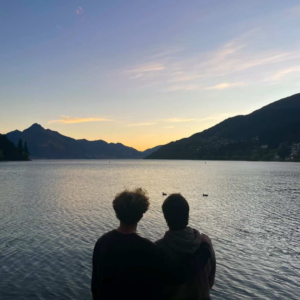
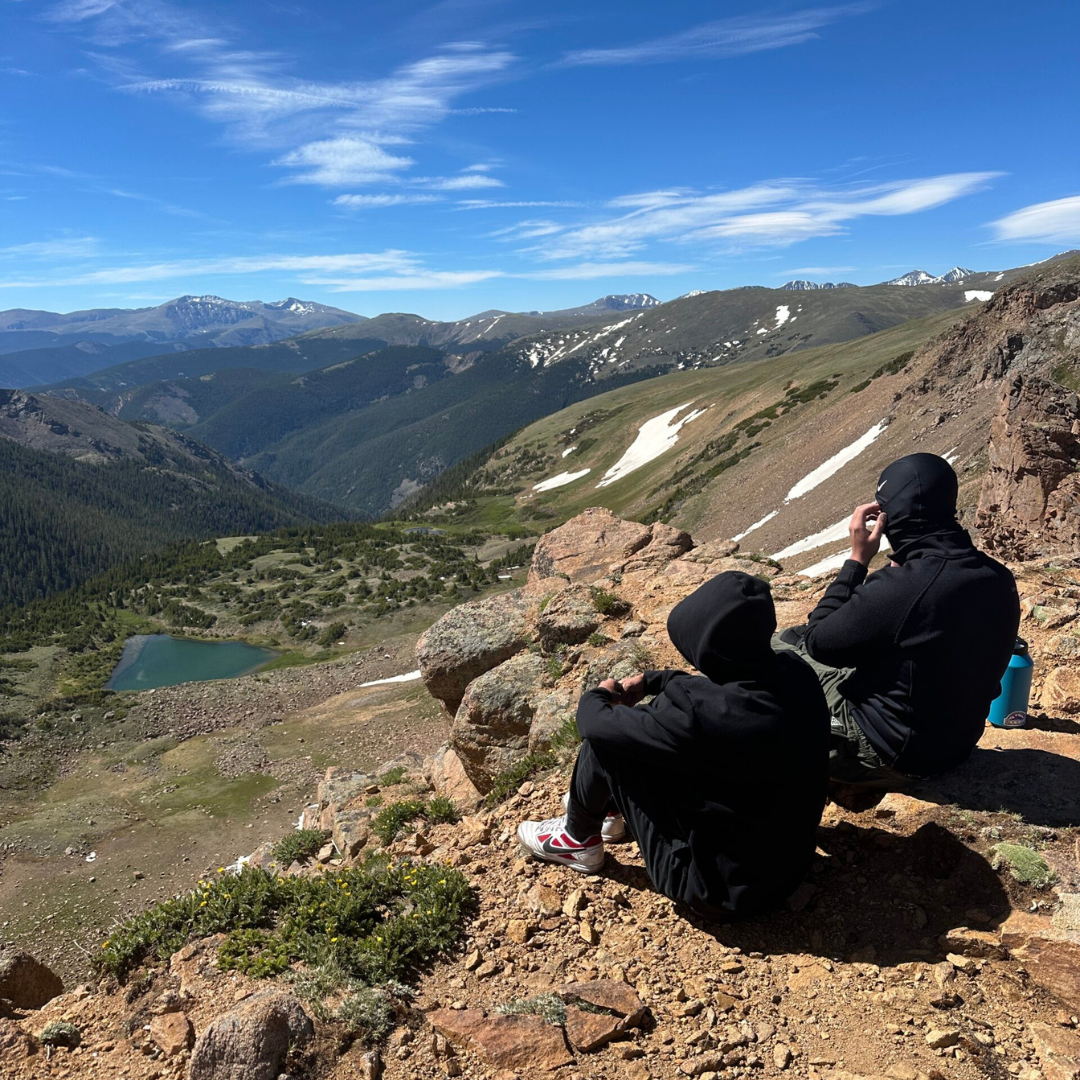
Placements aren’t random. AdventureEXP works with venues in places people specifically want to be: mountain towns, national park gateways, coastal destinations, and internationally in places like New Zealand. When applicants mention Whitefish, Montana or Sedona, Arizona by name in their applications, it’s because those places have a pull — and working there is a way to actually live somewhere you’d otherwise only visit for a weekend.
The outdoor access is real. You work shifts. When you’re not working, you’re in a place with hiking, skiing, climbing, or water nearby. That’s not an accident — it’s the whole design.
Who this is for
Destination work through AdventureEXP is a fit if you’re:
- Taking a gap year between high school and college and want structure, income, and an adventure that counts for something
- A college student or recent grad who wants to travel before life gets more complicated
- Someone between jobs or career phases looking for something more interesting than another office
- Already working in hospitality and want to take those skills somewhere worth going
It’s not a great fit if you need a specific career path, are set on a particular industry, or aren’t open to the hospitality and guest services roles the program works with. Being honest about that upfront is part of why the program works for the people who do apply.
How to apply and what to expect
The application process at AdventureEXP is a conversation, not a form. You tell them about yourself — what you’re good at, what you’re looking for, where you want to go — and they match you with placements that fit. Seasonal programs run in summer, fall, and winter, so there’s usually a window that works regardless of your timing.
The best advice from past participants: be specific about the type of environment you want. Mountains, ocean, forest, warm weather, cold weather — the more clearly you define it, the more likely the placement is somewhere you’ll love.
“I want to travel everywhere — why not work in a place I want to explore anyway?”
That’s the whole idea. You don’t have to choose between travel and making money. The program is built around the fact that they can happen at the same time.